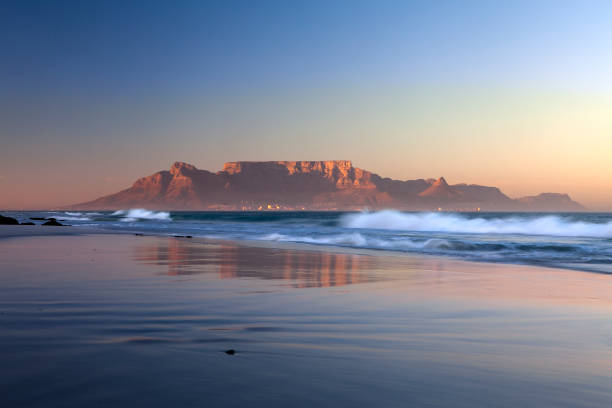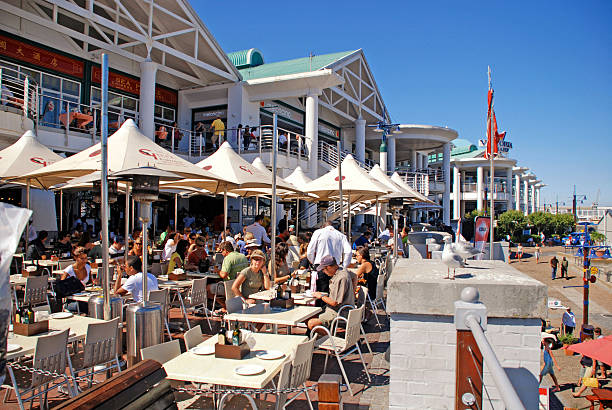
The Victoria and Alfred Waterfront is the busiest tourism destination in South Africa — drawing more visitors each year than Kruger National Park, the Cradle of Humankind and the Drakensberg combined. On a summer Saturday, its quaysides, restaurants, markets and piazzas throb with energy. But the Waterfront is more than a shopping centre with a view. It is a working harbour, a piece of living history, and the most convenient staging point in Cape Town for everything from Robben Island ferries to sunset cocktails.
History: Africa’s First Harbour
The Victoria and Alfred Basins — the two historic dock basins at the heart of the Waterfront — were constructed between 1860 and 1905 and represent the oldest surviving harbour infrastructure in sub-Saharan Africa. The Alfred Basin was the first to be built, opened in 1870 by Prince Alfred, Queen Victoria’s second son — hence the name Victoria and Alfred rather than the more grammatically expected “Victoria and Albert.”
For decades, these basins served as the operational heart of Cape Town’s commercial harbour. By the 1980s, however, container shipping had moved to a new deep-water port further east, and the old basins had fallen into disuse and decay. In 1988, the Victoria and Alfred Waterfront Company was established to redevelop the area, transforming it into the retail, hospitality and tourism destination it is today — while maintaining the working harbour character that gives it its distinctive atmosphere.
The result is one of the most successful urban waterfront regenerations in the world. Unlike many similar projects, the Waterfront managed to keep its authenticity — the fishing boats still come in, the harbour seals still bask on the breakwater walls, and the working dry docks still service vessels. It feels like a real place because it is one.
The Robben Island Ferry
The most significant departure point at the Waterfront — arguably the most significant departure point in South Africa — is the Nelson Mandela Gateway, from which the Robben Island ferry operates. The Gateway building houses a museum dedicated to Mandela and the history of the island, and is worth visiting even if you are not taking the ferry. The Robben Island tour — approximately 3.5 hours including the ferry crossing and guided tour — departs from here several times daily. Booking well in advance is essential, particularly in summer.
Food and Drink
The Waterfront has over 80 restaurants, from casual takeaway spots to some of Cape Town’s most acclaimed fine dining. The quality range is considerable — as with any large tourist precinct, some restaurants are better than others — but the concentration of good options is high.
The Harbour House at the Kalk Bay side of the Clock Tower precinct serves some of the finest fresh seafood in Cape Town, with a view directly over the working harbour. The Test Kitchen, consistently ranked among Africa’s best restaurants, is not at the Waterfront itself but nearby in the Old Biscuit Mill in Woodstock — a short Uber from the Waterfront and worth the trip if you can get a booking (they book out weeks in advance).
For something more casual, the Waterfront Food Market in the Watershed building offers a selection of artisanal food vendors, craft beer producers and street food stalls that gives a good cross-section of Cape Town’s food scene. The Two Oceans Aquarium restaurant has arguably the best harbour view of any of the waterside eateries.
Shopping: The Watershed and Beyond
The Watershed — a large converted warehouse on the water’s edge — is the Waterfront’s most interesting shopping space. Unlike the mainstream retail of the Victoria Wharf mall, the Watershed houses over 150 local designers, artisans and small businesses. You will find handmade jewellery, Cape craft gin, bespoke leather goods, original artworks, ceramics, textiles and food products — all made in South Africa, most of them in the Cape. It is a genuinely good place to find gifts that did not come off a production line.
The main Victoria Wharf mall contains the full range of South African and international retail brands — useful for essentials, but not the most distinctive shopping experience the city has to offer.
Attractions
The Two Oceans Aquarium, on the western edge of the Waterfront, is one of the finest aquariums in Africa. Its exhibits include the kelp forest of the cold Atlantic, the warmer Indian Ocean species, a spectacular predator tank with ragged-tooth sharks, and Africa’s first open ocean exhibit housing pelagic species including yellowfin tuna. The turtle rescue and rehabilitation programme is a particular highlight. Allow two to three hours for a proper visit.
The SA Maritime Museum, housed in a former dry dock, tells the story of Cape Town’s maritime history from the earliest VOC ships to the modern era. The museum ship SAS Somerset — a Second World War minesweeper — can be explored in the Alfred Basin alongside it.
For spectacular views, the Cape Wheel — a 40-metre observation wheel on the Victoria Wharf precinct — offers gondola rides with views across the harbour to Table Mountain. Sunset rides are particularly popular and should be booked in advance.
Getting There
The Waterfront is approximately 3 km from the Cape Town city centre and can be reached by Uber, taxi, the City Sightseeing Red Bus, or the free Waterfront shuttle that runs from the central city. There is also parking available within the precinct, though it becomes congested on weekends and public holidays.
All Mzansi Safari Tours full-day itineraries include time at the V&A Waterfront in the evening, with your private vehicle and guide available to drop you and collect you at your preferred time. We will also assist with Robben Island ferry bookings as part of any multi-day package.