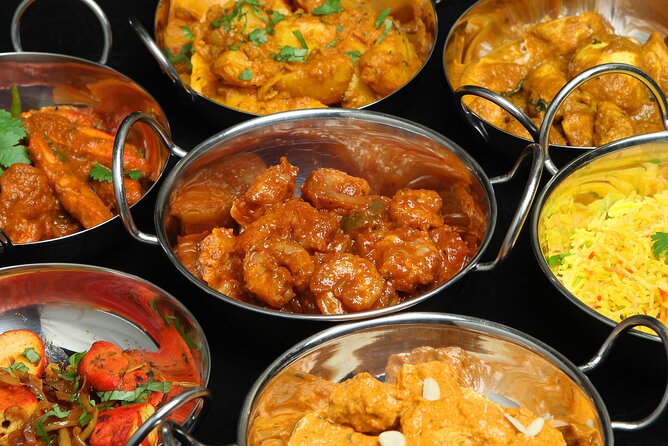
Of all the things that make Cape Town unique, its food may be the most underrated. Cape Malay cuisine — developed over three centuries in the kitchens of enslaved and exiled people from across the Indian Ocean world — is one of South Africa’s most distinctive and layered cooking traditions. It is food with history in every bite.
Where It Comes From
The Cape Malay community traces its origins to the people brought to the Cape Colony by the Dutch East India Company between the 1650s and 1800s. They came from the Indonesian archipelago, Malaysia, Sri Lanka, India, Madagascar and the East African coast — vastly different cultures united at the Cape by the shared experience of slavery and, increasingly, by Islam.
In the kitchen, these origins fused into something entirely new. Indonesian spice-trade cooking — richly aromatic with turmeric, cardamom, cinnamon, star anise and tamarind — met Dutch pantry staples, indigenous Cape ingredients, and the resourceful necessity of cooking with whatever was available. The result was a cuisine of extraordinary depth and warmth that belongs uniquely to Cape Town.
The Essential Dishes
Bobotie is the dish most associated with Cape Malay cooking — and the one most often described as South Africa’s national dish. Spiced minced meat, fragrant with curry leaves, turmeric, dried apricot and raisins, is baked under a savoury egg custard until golden. It is served with yellow rice cooked with turmeric, raisins and cinnamon, and a sharp atchar on the side. The combination of sweet, savoury and spiced is quintessentially Cape Malay.
Bredie is a slow-braised stew of meat and vegetables that has been simmering on Cape stoves for centuries. Waterblommetjiebredie — made with the flowers of a water hyacinth indigenous to the Cape’s wetlands — is the most celebrated version, available only in winter when the flowers are harvested. Tomato bredie and green bean bredie are available year-round and are deeply satisfying, slow-cooked dishes.
Koeksisters — not to be confused with the Afrikaner version — are syrup-soaked braided doughnuts spiced with aniseed, naartjie (mandarin) zest, cardamom and ginger. They are rolled in desiccated coconut and are simultaneously sticky, spiced and deeply comforting. In Bo-Kaap, they are traditionally made on Saturday evenings and sold after the Sunday morning mosque service — a tradition that has continued for over a century.
Denningvleis is a sweet-sour lamb stew made with tamarind, onions and whole spices — a direct descendant of Indonesian and Sri Lankan cooking brought to the Cape by enslaved people from the East Indies. It is one of the oldest dishes in the Cape Malay culinary repertoire.
Sosaties — marinated and skewered meat grilled over coals — are a Cape Malay contribution to the South African braai tradition. The marinade, typically made with curry, apricot jam, onions and tamarind, gives sosaties a sweet-spiced flavour entirely different from the plain salt-and-pepper marinades of other braai traditions.
Where to Eat It
Bo-Kaap is the natural starting point. The Bo-Kaap Kombuis on Augustus Street serves traditional Cape Malay dishes in a setting that feels genuinely home-cooked — because it is. The Biesmiellah Restaurant on Upper Wale Street has been feeding Cape Town for decades and remains one of the most authentic places to eat in the city. For something more contemporary, Hutspot in the V&A Waterfront serves Cape Malay-inspired dishes in a modern setting.
If you want a hands-on experience, several cooking schools in Bo-Kaap offer Cape Malay cooking classes — you will learn to make bobotie, yellow rice and koeksisters from scratch in a local kitchen, typically followed by eating everything you have cooked. It is one of the most enjoyable and memorable ways to spend a morning in Cape Town.
The Spice Markets
The spices that define Cape Malay cooking are available throughout Cape Town, but the most atmospheric place to buy them is the Cape Quarter in De Waterkant or the stalls in the Bo-Kaap area itself. The Old Biscuit Mill’s Saturday market in Woodstock also has several vendors specialising in Cape Malay spice blends, pickles and condiments. A packet of Cape Malay curry blend or a jar of homemade atchar makes one of the best and most authentic souvenirs you can take home from Cape Town.
At Mzansi Safari Tours, our Cape Town itineraries include guided food walks through Bo-Kaap where you can taste koeksisters fresh from the source, visit a Cape Malay kitchen and understand the history behind the cooking. Food is always the most direct route into a culture — and Cape Malay cooking tells the story of Cape Town more honestly than any museum exhibit.